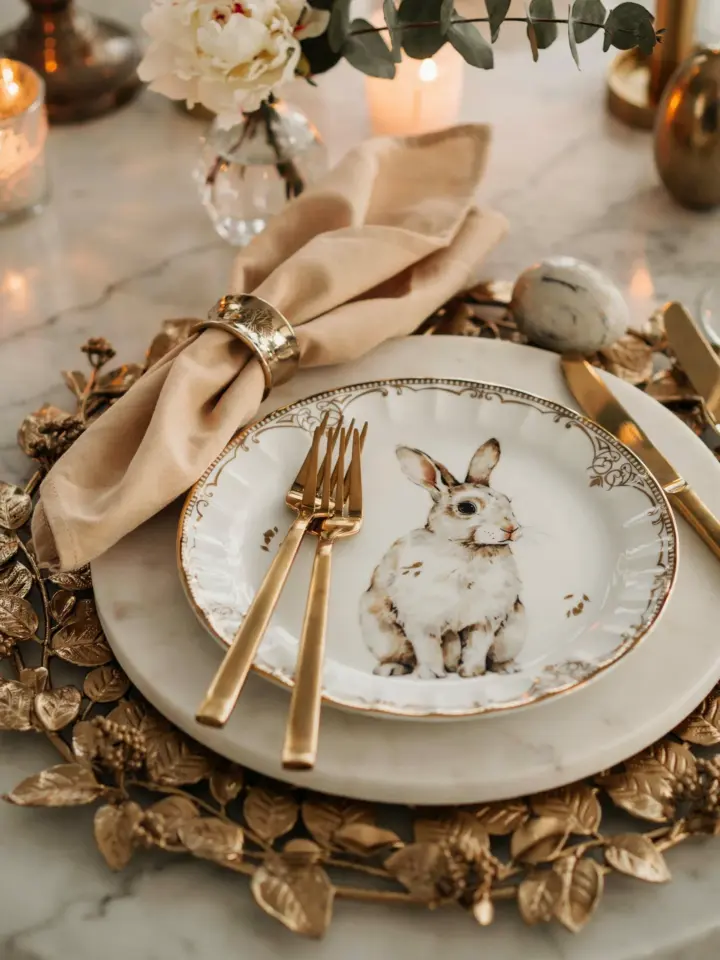
Last spring, I found myself staring at a bare dining table two days before Easter, with nothing but a bag of grocery-store tulips and a vague Pinterest board open on my phone. What started as a last-minute scramble turned into a tradition I now look forward to every year. Easter decor designs don’t have to be elaborate or expensive to feel special. With a handful of fresh flowers, a few pastel accents, and some simple handmade touches, you can create a table that feels both intentional and effortless. Here is exactly what I did, what worked, and what I would skip next time.
Why I Switched from Store-Bought to Handmade Easter Decor
For years I bought pre-made centerpieces from the grocery store. They looked fine, but they never felt personal. The plastic eggs always seemed too shiny, the fake moss too dusty. One year I decided to try making my own napkin rings and a simple tulip arrangement instead. The difference was immediate. Guests noticed. My table felt less like a catalog photo and more like a real home celebrating spring. Handmade decor also saved me money, about $30 compared to a typical store-bought set. More importantly, it gave me control over colors and materials. I could use exactly what I liked and leave out what I didn’t.
If you are new to DIY Easter projects, start with one element. A single handmade napkin ring or a small vase of tulips is enough to shift the atmosphere. You do not need to craft everything at once.
Building a Simple Tulip-and-Egg Centerpiece That Lasts
The centerpiece is the anchor of any Easter table. I wanted something that looked full but wouldn’t wilt by dessert. Fresh tulips in a low ceramic bowl worked perfectly. I chose white tulips with pale pink edges and added a few stems of eucalyptus for texture. The trick is to cut the stems at an angle and change the water every 24 hours. They lasted a full four days without drooping. To incorporate the egg theme, I placed a handful of natural brown quail eggs in the bowl around the flowers. Quail eggs are small, speckled, and look charming next to tulips. You can find them at most specialty grocery stores or farmers markets. They cost about $4 for a dozen. Hard-boil them first to avoid any mess, then nestle them among the stems.
- Use a low, wide container so the arrangement doesn’t block conversation across the table.
- Mix flower heights for visual interest. Cut some stems shorter than others.
- Add a few sprigs of fresh herbs like rosemary or mint for a subtle spring scent.
- If you prefer dyed eggs, use natural dyes from beets or turmeric to keep the palette soft.
This centerpiece costs under $15 and takes about 15 minutes to assemble. It looks far more intentional than a generic bouquet from the store.
My Go-To Pastel Color Palette for Spring Table Settings
I used to think pastels meant baby pink and powder blue everywhere, which felt a bit predictable. After experimenting, I landed on a palette that feels fresh without being sugary: soft butter yellow, dusty sage green, pale apricot, and cream. These colors work together neutrally and allow the fresh flowers to stand out. I found a set of linen napkins in sage green at a thrift store for $2 each. My white dinner plates are from a basic set I already owned. The butter yellow came in as small painted eggs placed at each setting. Keeping the base neutral and adding color through small accents keeps the table from looking cluttered. You can achieve this look with items you already have. A white tablecloth with a cream runner underneath adds depth without competing with the centerpiece.
If you want to try a different hue, swap apricot for blush pink or sage for mint. The key is to limit yourself to three colors plus white or cream. More than that and the table starts to feel busy rather than calm.
DIY Napkin Rings That Took 10 Minutes Each
I wanted napkin rings that felt special but didn’t require a craft store run. I used twine and a few dried sprigs of lavender leftover from a previous project. Wrap the twine around the center of a folded napkin three times, tie a small knot, and tuck a single lavender stem under the twine. That is it. The lavender releases a faint herbal scent that complements the tulips. For a more colorful version, replace the lavender with a small silk flower or a single pastel ribbon. I made eight napkin rings in under 20 minutes. The total cost was zero because I already had the supplies, but if you need to buy twine and dried flowers, expect to spend about $5. They look rustic and intentional, not cheap. Guests actually asked if they could take theirs home as a favor.
To save even more time, skip the napkin ring altogether and simply tie a ribbon around the napkin with a small sprig of greenery tucked in. Same effect, even faster.
Layering Textures Without Overcomplicating the Table
A common mistake I made in early years was trying
#EasterDecor #SpringCenterpiece #DIYEaster #TableStyling #HolidayDecor
Leave a Comment